


















Choosing the right ecommerce website development agency can directly impact your online business success. A well-built ecommerce website does more than just display products — it drives conversions, builds trust, ensures security, and supports long-term scalability. The wrong development partner, however, can lead to poor performance, security risks, lost sales, and costly rebuilds.
With hundreds of agencies claiming to be experts, how do you select the right one?
This complete guide will help you understand exactly what to look for, what to avoid, and how to make a smart, ROI-driven decision.
Why Choosing the Right Ecommerce Agency Matters
Your ecommerce website is your digital storefront. It must:
- Load fast
- Work flawlessly on mobile
- Be secure
- Scale with traffic
- Convert visitors into buyers
- Integrate with payments, logistics, CRM, and marketing tools
A professional ecommerce development agency ensures your platform is built for performance, growth, and revenue, not just appearance.
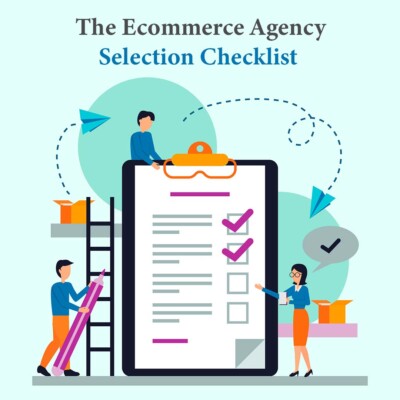
Key Factors to Consider When Choosing an Ecommerce Website Development Agency
1 Check Their Ecommerce Portfolio
Always review real ecommerce projects completed by the agency.
Look for:
- Live ecommerce websites
- Different industry projects
- Custom features
- UX quality
- Checkout experience
- Mobile responsiveness
If most examples are only brochure websites, they may lack deep ecommerce expertise.
2 Platform Expertise Matters
A reliable agency should have hands-on experience with major ecommerce platforms such as:
- Shopify
- WooCommerce
- Magento
- Custom ecommerce frameworks
- Headless commerce setups
Ask:
- Which platform do you recommend for my business and why?
- When should I choose custom vs platform-based ecommerce?
If they cannot justify platform choice, that’s a red flag.
3 Focus on Conversion, Not Just Design
Many agencies build “beautiful” websites that don’t sell.
Ask about:
- Conversion rate optimization
- Checkout flow design
- Cart abandonment reduction
- UX testing
- Funnel optimization
Your ecommerce site should be built for sales performance, not just visuals.
4 Performance & Speed Optimization
Speed directly affects:
- Search rankings
- User experience
- Conversion rates
Ask the agency:
- How do you optimize ecommerce speed?
- Do you compress assets and optimize code?
- Do you implement caching and CDN?
A serious ecommerce agency always talks about performance metrics.
5 Security & Compliance
Ecommerce websites handle payments and customer data — security is critical.
Ensure they provide:
- SSL setup
- Secure payment integration
- Data encryption
- Role-based admin access
- Security hardening
- Regular updates
Security cannot be optional.
6 Integration Capabilities
Modern ecommerce requires integrations with:
- Payment gateways
- Shipping providers
- CRM systems
- ERP software
- Marketing tools
- Analytics platforms
- WhatsApp & automation tools
Ask what integrations they’ve done before — not just what they “can” do.
7 SEO & Marketing Readiness
Your ecommerce website must be built SEO-ready from day one.
Key requirements:
- SEO-friendly URLs
- Schema structure
- Fast load time
- Mobile optimization
- Clean code
- Proper heading structure
- Product schema support
An ecommerce developer who ignores SEO creates future ranking problems.
8 Ask About Their Development Process
A professional agency follows a structured process:
- Business analysis
- Requirement mapping
- UX planning
- Wireframing
- Development
- Testing
- Optimization
- Launch
- Support
No process = risky delivery.
9 Post-Launch Support & Maintenance
Ecommerce websites need ongoing support.
Confirm:
- Maintenance packages
- Update support
- Security monitoring
- Backup systems
- Performance monitoring
Never choose an agency that disappears after launch.
10 Transparency in Cost & Timeline
A reliable agency provides:
- Clear scope of work
- Feature list
- Timeline milestones
- Transparent pricing
- Change request policy
Avoid agencies that give vague lump-sum quotes without breakdowns.
Warning Signs to Avoid
Avoid an ecommerce agency if they:
- Promise unrealistic timelines
- Offer extremely low prices
- Cannot show real ecommerce work
- Avoid technical questions
- Don’t discuss security
- Ignore performance topics
- Provide no support plan
Cheap ecommerce development often becomes expensive later.
Questions You Should Ask Before Hiring
- Which ecommerce platform is best for my use case?
- How will you optimize conversion rate?
- How do you ensure website security?
- What integrations can you support?
- What happens after launch?
- Do you provide performance optimization?
- Is SEO structure included?
Custom Ecommerce vs Platform Ecommerce — Which Should You Choose?
Platform ecommerce (Shopify/WooCommerce)
Best for:
- Faster launch
- Lower initial cost
- Standard features
- Small to mid businesses
Custom ecommerce
Best for:
- Unique workflows
- Advanced logic
- Enterprise scale
- Marketplace models
- Deep integrations
A good agency helps you choose — not force a platform.
Final Thoughts
Choosing the right ecommerce website development agency is not about picking the cheapest option — it’s about selecting a long-term technology partner who understands business, performance, security, and scalability.
The right decision leads to:
- Higher conversions
- Better user experience
- Stronger security
- Easier scaling
- Long-term ROI
Take your time, ask the right questions, and evaluate based on expertise — not just price.
STAY IN THE LOOP